The Fall of Yemen's 2,000-Year-Old Gharib Tree: A Loss of Natural Heritage

- 2025-04-22
- 12:51:25
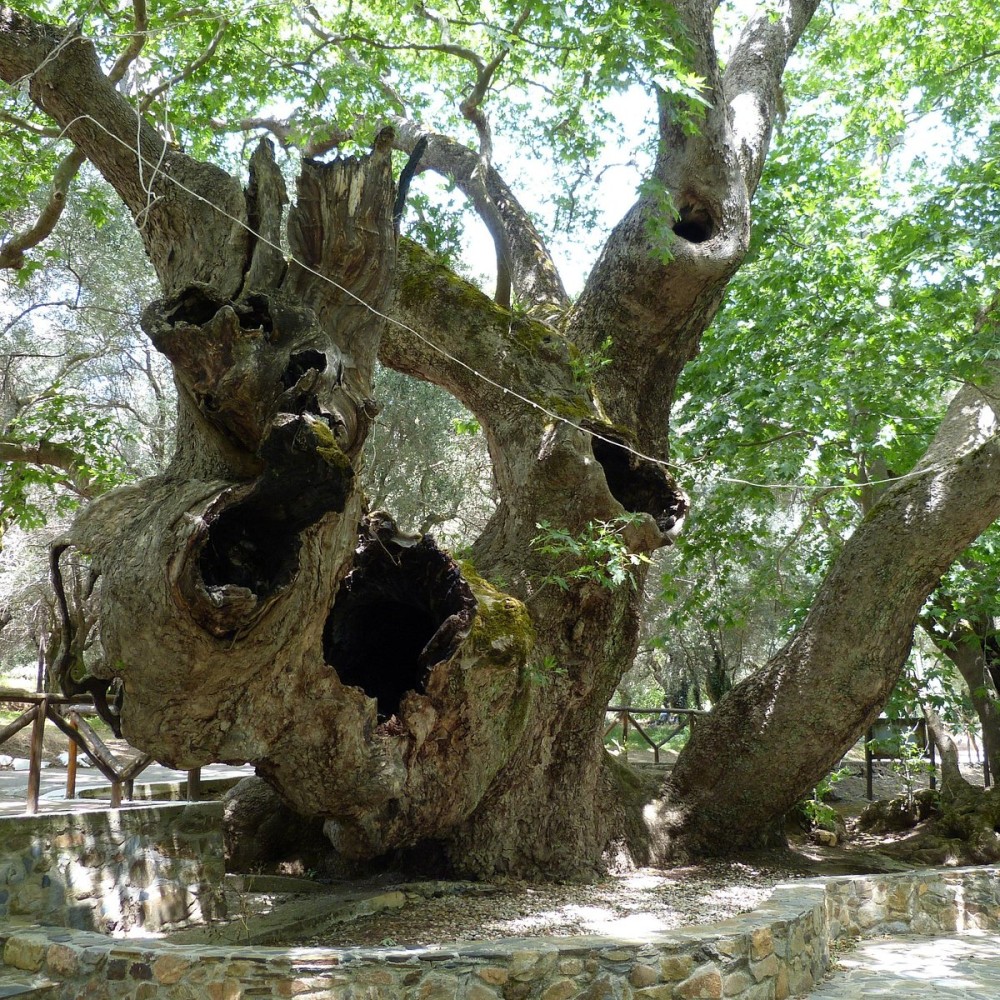


The ancient Gharib Tree, a symbol of Yemen's rich natural heritage, has tragically fallen, marking the end of an era for this 2,000-year-old marvel. Located in Al-Samsara, Taiz, the tree was renowned for its massive trunk, sprawling 32-meter-wide canopy, and unique medicinal properties. It was affectionately referred to as the "Mother of Trees" by locals, who believed it held healing powers for ailments like allergies and hair loss.
The tree's collapse has left the community and environmentalists mourning the loss of a living testament to Yemen's history and biodiversity. While the exact cause of its fall remains unclear, factors such as environmental degradation, climate change, and lack of preservation efforts may have contributed.
This event serves as a stark reminder of the importance of protecting natural landmarks and addressing environmental challenges. The Gharib Tree's legacy will live on in the memories of those who admired its grandeur and the stories passed down through generations.




Hadramout — UNESCO has officially inscribed Al-Dan Hadrami, a traditional poetic and musical art form from Yemen’s Hadramawt region, on…
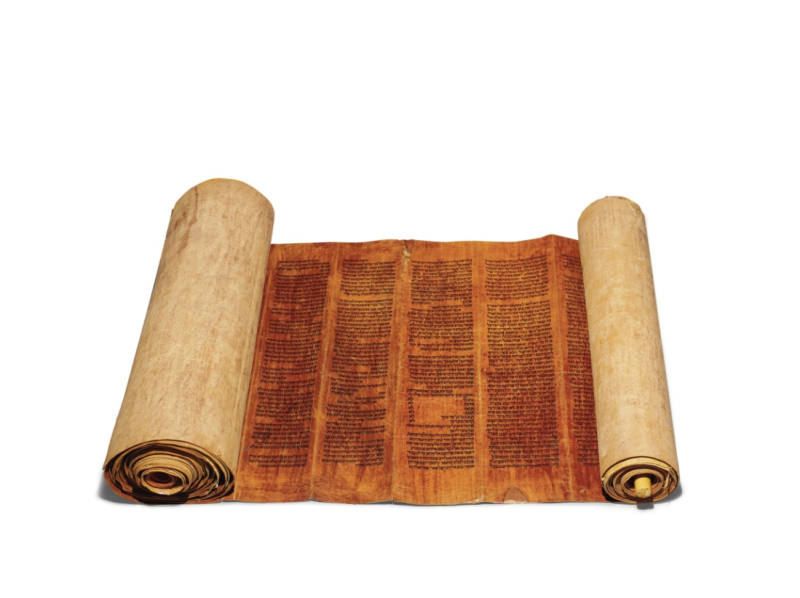
NewYourk  -- The renowned auction house Sotheby’s has revealed plans to present one of the rarest surviving Yemenite Torah scrolls in it…

Aden — The Ministry of Agriculture and Irrigation in Yemen has issued a new decision prohibiting the hunting and trade of sea turtles, as par…