Saudi Arabia Calls for end of escalation in southern Yemen

- 2025-12-25
- 22:00:34
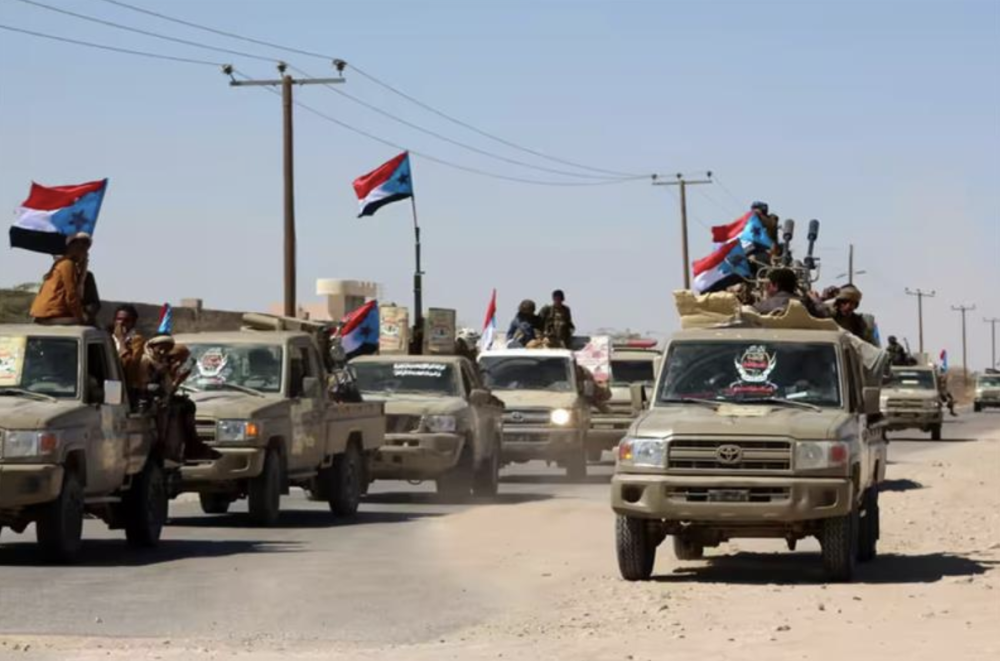


Riyadh -- Saudi Arabia said on Thursday that Yemen’s Southern Transitional Council (STC) should return territory seized recently, adding that it seeks to deescalate tensions within the government camp.
The STC is part of Yemen’s internationally recognised government, a patchwork of groups held together by their opposition to the Iran-backed Houthis, which rule much of the country’s north.
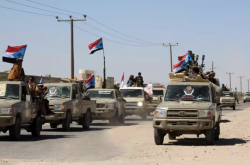
“The kingdom of Saudi Arabia points out that the military movements in the governorates of (Hadramout and Al-Mahra), recently conducted by the Southern Transitional Council, were carried out unilaterally, and without the approval of the Presidential Leadership Council (PLC) nor in coordination with the Coalition’s leadership,” the Saudi foreign ministry said in a statement.
“These movements resulted in an unjustified escalation that harmed the interests of the Yemeni people with all of its segments,” it added.
“The kingdom remains hopeful that the public interest will prevail through ending the escalation by the Southern Transitional Council and the withdrawal of its forces from the two governorate in an urgent and orderly manner,” it added.
A Saudi-Emirati military delegation visited Aden for talks earlier this month to ask the STC to return the two provinces it recently seized, the statement said, adding that Saudi efforts for de-escalation were ongoing.
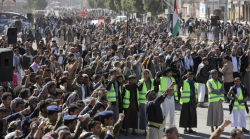
Coinciding with the arrival of the Saudi-Emirati delegation, Yemenis gathered outside the Maashiq Presidential Palace in Aden, where the delegation was due to arrive, calling for the declaration of a “South Arabian State
The channel broadcast images of protesters raising the flag of South Yemen prior to unification, alongside the flags of Saudi Arabia and the United Arab Emirates.
The Saudi delegation held meetings with Hadrami leaders and authorities, the Hadrami parliamentary bloc, tribal references, as well as local sheikhs and notable figures from the Wadi and desert districts, according to a statement from Hadramout’s local authority.
South and North Yemen entered into a voluntary unity on May 22, 1990. However, disputes between the ruling coalition’s leaders at the time, along with complaints from southern groups about “marginalisation and exclusion,” have led to renewed calls for secession, particularly amid the outbreak of the ongoing civil war.
These developments in southern Yemen come amid escalating threats from the Houthi movement, which controls the capital, Sana’a, and several other areas, and has shown no commitment to peace.


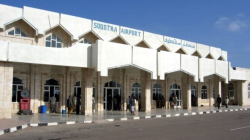
Socotra — Local residents and maritime sources said the closure of Socotra International Airport has left the Yemeni island almost completely…
Riyadh -- Saudi Arabia said on Thursday that Yemen’s Southern Transitional Council (STC) should return territory seized recently, adding that…
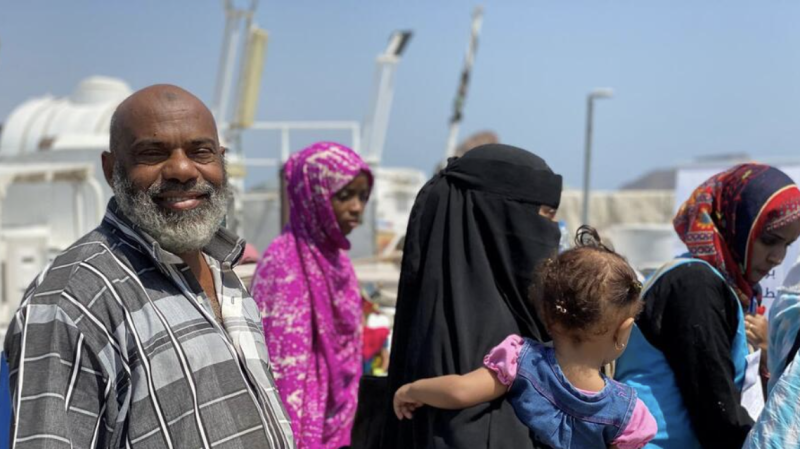
Aden -- The United Nations High Commissioner for Refugees (UNHCR) has reported that more than 53,000 Somali refugees in Yemen have returned to thei…